SpO₂ Compatibility 101: Matching Sensors to Your Monitor
Learn how to prevent costly SpO₂ compatibility failures, understand protocol families, and implement best practices for reliable patient monitoring.
Read article
 USA
USASpO₂ sensor compatibility depends on connector family, monitor protocol, and sensor type — not appearance alone. Verify the monitor model, connector style, and intended reusable or disposable use before ordering replacements to prevent avoidable no-reading failures during routine clinical patient monitoring.
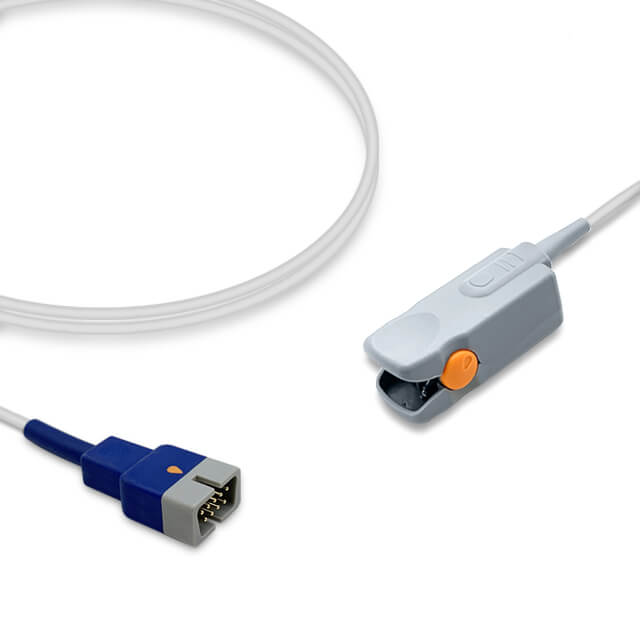
Related reading: SpO₂ compatibility 101, sensors and extension cables, the SpO₂ sensors category, and SpO2 vs PO2 / oxygen measurement differences.
Pulse oximeters are essential tools for patient monitoring in nearly every healthcare setting, from emergency departments to home care. But their accuracy and reliability depend on one crucial component: the sensor.
Choosing the right SpO2 sensor isn't just about fit—it's about ensuring reliable, precise readings that guide clinical decisions. Compatibility issues can lead to inaccurate readings, increased costs, and even patient safety risks. This guide will help biomedical engineers, clinicians, and purchasing teams understand what to look for when selecting compatible SpO2 sensors for their devices.
Pulse oximeters work by emitting light through tissue and detecting how much is absorbed, calculating oxygen saturation (SpO2). Different manufacturers use unique calibration algorithms, connector types, and sensor designs.
That's why not every sensor works with every monitor. Using the wrong sensor can cause:
Accurate SpO2 readings are vital for:
Inaccurate readings can delay interventions or lead to inappropriate oxygen use.
From a financial standpoint, compatibility also matters. OEM sensors can be costly. High-quality compatible sensors can deliver equivalent performance at a more sustainable price—if chosen carefully.
Here's a practical checklist to guide your team in selecting the right sensor:
Clinical Insight: Always standardize procurement and training across departments to reduce errors.
High-quality compatible sensors can deliver OEM-level performance while supporting your institution's budget goals.
At Medten, we know patient safety and cost management go hand in hand. That's why we offer a carefully curated selection of compatible pulse oximetry sensors designed for reliable performance across leading monitor brands.
Each sensor is rigorously tested for:
Our team understands the details that matter—from connector types to patient population needs.
Explore Our Compatible SpO2 Sensors Here
This content is provided for informational purposes only and does not constitute medical advice. Always follow your institution's protocols and manufacturer guidelines.
Keep reading
More articles you may find helpful from the Medten blog.